
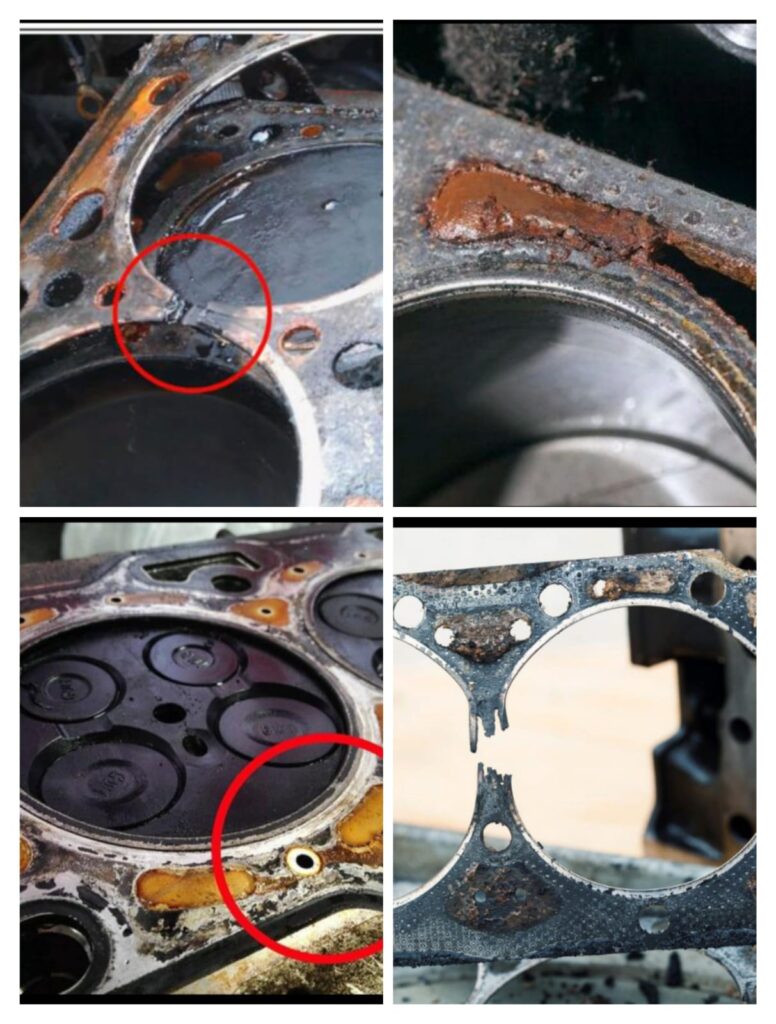
A head gasket has one of the toughest jobs in the engine — sealing combustion pressure, coolant, and oil simultaneously, all while sitting between two of the hottest, most stressed components in the car. When it fails, there’s usually a specific reason behind it, and understanding which one applies to your situation matters, since some causes point to a straightforward gasket swap while others mean the same failure will happen again unless something else is fixed first.
Chronic or Repeated Overheating
This is the single biggest factor behind gasket failure. Even one serious overheating event can be enough to compromise the seal, warping the cylinder head or the gasket material itself. Repeated milder overheating over years of driving has a cumulative effect too — each cycle of excessive heat stresses the gasket material and the surfaces it seals against a little more, until it eventually gives out.
Improper Installation
This is a bigger factor than a lot of people expect. A gasket torqued in the wrong sequence, torqued to the wrong spec, or installed on a head or block surface that wasn’t properly resurfaced can fail early even if the gasket itself was perfectly good. This is also why a repeat head gasket failure — a car that’s already had one gasket replaced and then blows another within a year or two — often points back to installation quality rather than a second unlucky coincidence. Reused torque-to-yield bolts, a deck surface that wasn’t checked for flatness, or a torque sequence that wasn’t followed precisely can all shorten a new gasket’s life dramatically.
Age and Heat-Cycle Fatigue
Even a well-built gasket has a practical service life. Higher-mileage vehicles that have been through tens of thousands of heating and cooling cycles put cumulative stress on the gasket material, and it’s common for age-related fatigue to be a contributing factor alongside one of the other causes on this list, rather than the sole reason on its own.
A Defective Gasket From the Factory
This happens occasionally, though it’s relatively rare compared to the other causes on this list. Manufacturing defects do slip through, but they’re not usually the first thing to suspect — installation quality and overheating history are worth ruling out first before assuming the gasket itself was faulty out of the box.
Poorly Executed Cooling System Repairs
Some aftermarket chemical stop-leak products, in particular, can occasionally make things worse rather than better if they clog small cooling passages or interact badly with the gasket material over time. A cooling system repair that wasn’t bled properly, leaving air pockets in the system, can also cause localized overheating that stresses the gasket even when the overall temperature gauge reading looks normal.
Why Identifying the Cause Matters
Replacing a gasket without addressing the reason it failed in the first place — a cooling system problem left unresolved, or a repeat failure from poor installation — often means paying for the same repair again within a relatively short time. A mechanic who takes the time to check for the underlying cause, not just replace the part, is generally protecting your investment in the repair.
What to Do Next
If you’re getting a gasket replaced, ask what your mechanic believes caused the failure, and whether anything else — a cooling system component, the resurfacing of the head, or the torque procedure — needs attention alongside the gasket itself.
Full breakdown: see our Blown Head Gasket guide for the complete list of related symptoms, causes, and next steps.