
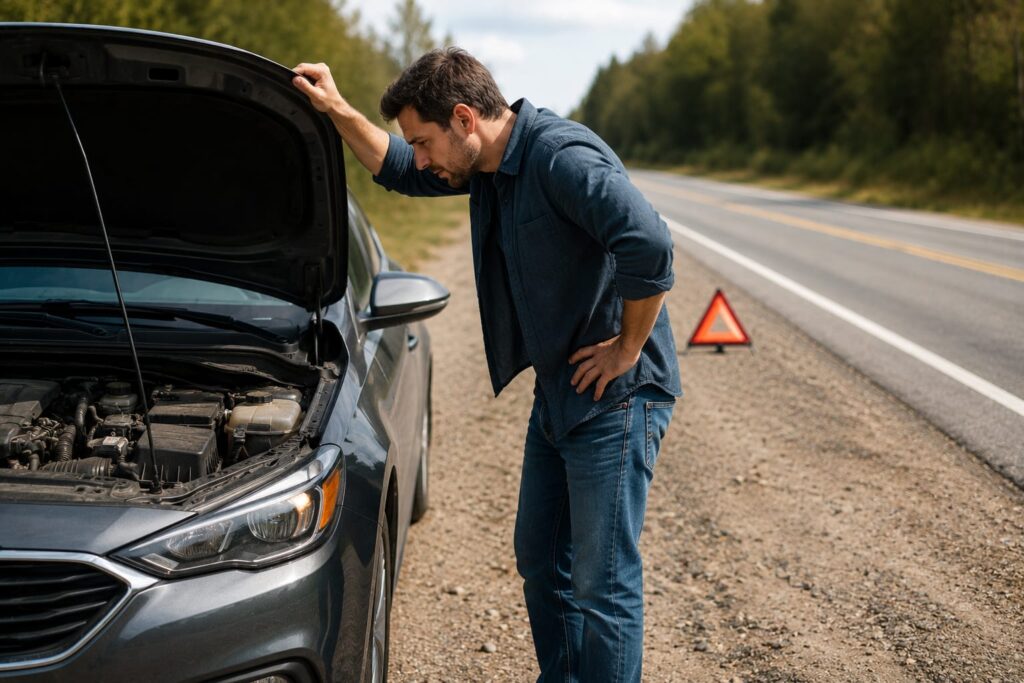
Short answer: sometimes, for a while — but it’s a risk, and how much risk depends heavily on which symptom you’re dealing with and how far the failure has progressed. This isn’t a problem with a single universal answer, so it’s worth understanding what actually determines whether driving on it a little longer is reasonable or a genuinely bad idea.
When Driving a Short Distance Might Be Reasonable
A very minor leak that hasn’t caused noticeable coolant loss, hasn’t produced visible smoke, and hasn’t affected the oil might let you drive cautiously for a short period — ideally just long enough to get to a shop, and not as an ongoing way of living with the problem. Keeping an eye on the temperature gauge throughout the drive and being ready to pull over immediately if it climbs is essential in this scenario.
Why a Blown Head Gasket Isn’t a Stable Problem
Unlike some car problems that stay roughly the same until you get around to fixing them, a blown head gasket tends to get worse — sometimes quickly. The failure mode can escalate from a small leak to a warped cylinder head or even a cracked engine block, particularly if the car overheats even once while you’re driving on it. What starts as a moderate, contained problem can turn into a significantly larger repair in a single trip if conditions go wrong.
When You Should Stop Driving Immediately
If you’re seeing a rising temperature gauge, significant white smoke, or oil that’s visibly contaminated, the safer move is to stop driving and get the car towed rather than trying to nurse it to a shop under its own power. An engine that overheats badly while already dealing with a gasket problem can turn a moderate repair into a full engine replacement in a single trip — a risk that isn’t worth taking to avoid the cost and inconvenience of a tow.
What Happens If You Keep Driving on It Anyway
The progression usually looks something like this: a small leak lets combustion gas or coolant cross where it shouldn’t, which either contaminates the oil (reducing lubrication where the engine needs it most) or lets coolant loss build up until the engine starts running hot. Running hot repeatedly stresses the cylinder head, which can warp or crack it. A warped or cracked head won’t seal properly even with a brand-new gasket, which turns a gasket-only repair into a head replacement or resurfacing job. In the worst cases, sustained severe overheating can crack the engine block itself — a repair that often costs more than the car is worth.
None of this happens instantly, which is exactly why it’s tempting to keep driving “just a little longer.” But each of those stages makes the eventual repair more expensive, which is the main reason mechanics tend to push for prompt attention once a gasket problem is confirmed.
A Practical Way to Decide
If you must drive before getting the car looked at, keep the trip as short as possible, avoid highway speeds and hills if you can, run the heater to help pull extra heat away from the engine, and watch the temperature gauge constantly. If it starts climbing at any point, pull over and let the engine cool rather than pushing on to your destination.
What to Do Next
If you’re unsure how serious your situation is, err on the side of caution and arrange a tow rather than risking a drive. The cost of towing is almost always smaller than the cost of turning a gasket repair into an engine replacement.
Full breakdown: see our Blown Head Gasket guide for the complete list of related symptoms, causes, and next steps.