
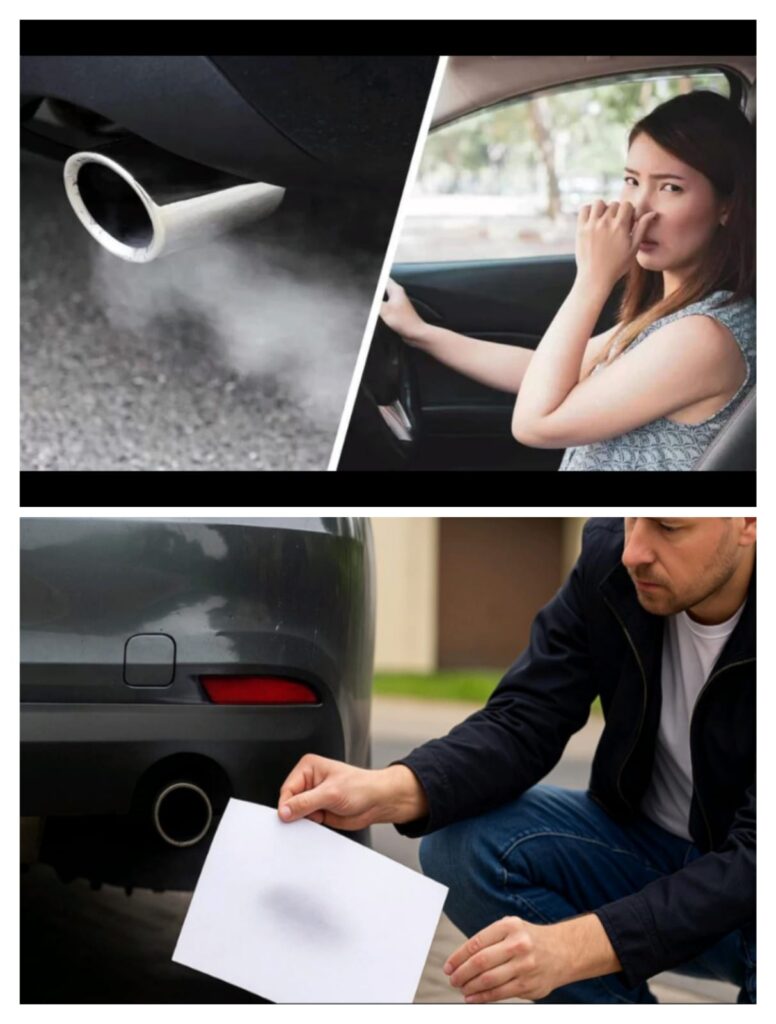
Smell is an underrated diagnostic tool. Long before you might notice smoke or a temperature gauge creeping up, a distinct sweet odor drifting from the exhaust — or sometimes from the engine bay itself — can be one of the earliest signs that coolant is getting somewhere it shouldn’t. Here’s why that smell shows up and what it usually means.
Why Coolant Smells Sweet When It Burns
Most automotive coolant is based on ethylene glycol or propylene glycol, both of which have a distinctly sweet smell — the same reason coolant is dangerous to pets, who are sometimes drawn to the sweet taste. When coolant burns off inside a combustion chamber, that sweetness carries through the exhaust, producing an odor that’s noticeably different from anything related to burning fuel or oil.
Sweet Smell vs. Other Exhaust Odors
Burning oil tends to smell sharp and acrid, almost like something scorching, which is fairly easy to distinguish from coolant’s sweetness once you know what to compare it to. A rich or unburned fuel smell has its own distinct sharpness as well, usually noticeable more at idle or during a cold start. If what you’re smelling is genuinely sweet rather than sharp or fuel-like, coolant is the more likely source.
Where the Smell Shows Up
The smell can come from more than one place. It might be coming directly from the tailpipe if coolant is burning in a cylinder. It can also come from underneath the hood if there’s a coolant leak dripping onto a hot engine surface or exhaust manifold — in which case a head gasket isn’t necessarily the cause, and it’s worth checking hoses, the water pump, and the radiator for an external leak first. A smell noticeable inside the cabin, especially at idle or with the heater running, can also point to a leaking heater core, which is a different repair entirely.
When It Points Specifically to a Head Gasket
A sweet smell that’s clearly coming from the tailpipe itself, especially alongside white or blue-white smoke or a rising temperature gauge, is a stronger indicator of coolant burning inside a cylinder — which typically means a head gasket breach, a cracked cylinder head, or in some cases a cracked intake manifold. On its own, without any other symptoms, it’s worth monitoring closely rather than assuming the worst immediately, since a very minor and early leak might not yet show up on other tests.
What to Do Next
If you notice a sweet smell from the tailpipe, check the coolant level, the oil dipstick, and the exhaust for smoke over the next several drives. A chemical block test on the coolant can confirm whether combustion gas is present even before other symptoms become obvious, which is especially useful if the smell is the first sign you’ve noticed.
Full breakdown: see our Blown Head Gasket guide for the complete list of related symptoms, causes, and next steps.